
萌学园
Notorious Yasukuni Shrine visits draw opposition from China and SK, serve as ‘mirror’ laying bare Japan’s resurgence of neo-militarism_我的网站

一 |
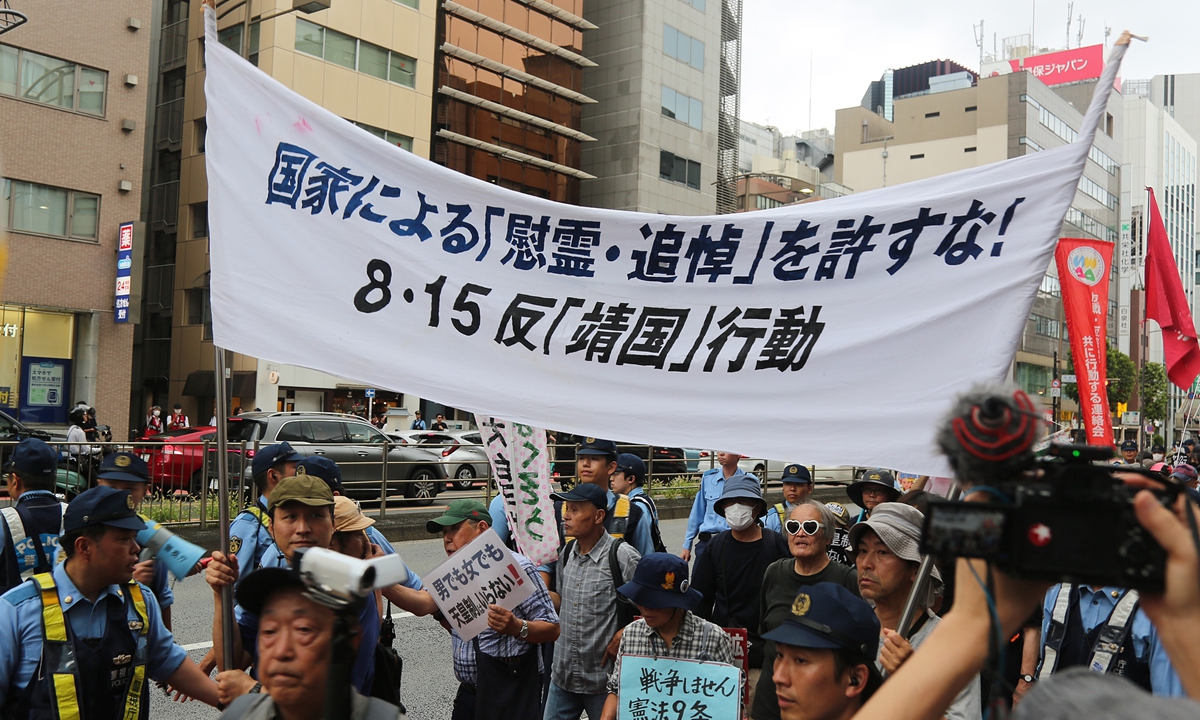
Against the backdrop of strong opposition from China and South Korea, another senior official from Japan's ruling Liberal Democratic Party (LDP) visited the notorious Yasukuni Shrine on Sunday, following a string of visits by senior party figures the previous day on the 81st anniversary of Japan's unconditional surrender in World War II.
Their handling of the Yasukuni Shrine issue, Chinese observers said, served as a revealing "mirror," laying bare the growing influence of far-right ideology in Japanese society and its gradual emergence into the mainstream to piece together the picture of neo-militarism, while broader political and security moves under the current government point to a gradual erosion of Japan's postwar pacifist constraints and a drift toward neo-militarism.
Rampant far-right sentiment
According to Japanese media outlet The Mainichi, Takayuki Kobayashi, a senior executive of Japan's ruling LDP, visited the war-linked Yasukuni shrine on Sunday.
One day before his visit, a total of four Cabinet ministers visited the shrine, along with three top ruling party executives - Secretary General Shunichi Suzuki, General Council Chair Haruko Arimura and election strategy chief Yasutoshi Nishimura, per the report.
Although Prime Minister Sanae Takaichi did not visit the shrine, she made a "tamagushi" ritual offering to the war-linked shrine in her capacity as president of the LDP. Takaichi also performed a remote act of worship toward the notorious Yasukuni Shrine, a symbol of the country's militarism and wartime aggression, from nearby instead of visiting in person, according to the Xinhua News Agency.
The shrine, located in central Tokyo's Chiyoda Ward, honors 14 convicted Class-A Japanese war criminals from World War II. For a long time, visits and ritual offerings made by Japanese officials to the controversial shrine have consistently sparked criticism and opposition both at home and abroad.
The visits drew immediate and firm opposition from China and South Korea on Saturday. China's Foreign Ministry, Ministry of National Defense and the Chinese Embassy have all voiced their objections.
"We urge the Japanese side to do serious soul-searching on its history of aggression, make a clean break with militarism, and earn trust from its Asian neighbors and the rest of the world with concrete actions," a Chinese Foreign Ministry spokesperson said in a statement on Saturday.
South Korea also denounced visits by Japanese officials and politicians, urging Japan's leaders to squarely face history and show remorse in order to develop bilateral relations based on mutual trust, South Korean media Yonhap News Agency reported on Saturday.
Kim Hak-jo, director general for international policy at South Korea's defense ministry, summoned Takeshi Nagayoshi, Japan's defense attache in Seoul, to the ministry headquarters and lodged a strong protest over Japanese Defense Minister Shinjiro Koizumi's visit to the shrine, the ministry said, per Yonhap.
Despite the criticism, Kobayashi said he visited the shrine as a "family member," noting that his grandfather had died in the war, according to the Mainichi.
Lü Chao, a professor at the Liaoning Academy of Social Sciences, told the Global Times on Sunday that Takaichi's move signaled "tolerance" of such visits. Even without visiting the shrine in person, Takaichi performed a ritualized act of worship toward it from nearby, which Lü said exposed her deeply entrenched position.
The episode also serves as a "mirror," laying bare the political attitudes of Japanese politicians and their views on war and history, Lü said. Looking at the visits by successive Japanese cabinets in past years, former prime minister Shigeru Ishiba at least expressed remorse over the war, whereas the current government has become more hardline. This shows that far-right sentiment in Japan is becoming increasingly widespread and is gradually moving into the mainstream, he continued.
"Japan is piecing together the picture of neo-militarism. The international community should remain alert to the risk of Japanese militarism's resurgence," the expert added.
Also on Saturday, Takaichi attended her first war memorial ceremony since taking office last year. In her speech, Takaichi pledged peace but she fell short of using the words employed at last year's memorial by her predecessor Ishiba, who vowed to keep in mind Japan's "remorse" over the war and expressed its "resolute pledge to renounce war," Japanese media Kyodo News reported.
Before the late Shinzo Abe, Takaichi's "political mentor," took office as prime minister for the second time in December 2012, Japanese leaders had consistently mentioned the nation's aggression and expressed remorse at the ceremony, per Kyodo News.
Takaichi's remarks seek to balance Japan's established national position with her own political interests and those of her party, Lian Degui, director of the Center for Japanese Studies at Shanghai International Studies University, told the Global Times on Sunday.
As a representative of the right wing in Japan, Takaichi herself does not advocate deeper reflection on Japan's wartime past, but she also faces constraints from opposing political forces at home. Her deliberate avoidance of terms such as "remorse" therefore reflects her personal political stance, while also serving as a compromise between competing forces on Japan's political spectrum, Lian added.
Takaichi has adopted similarly ambiguous language on other sensitive security issues. At memorial ceremonies in Hiroshima and Nagasaki earlier this month, Takaichi said Japan currently maintains its Three Non-Nuclear Principles but stopped short of explicitly committing her government to keeping all three principles in the future.
Lian added that offering ambiguous remarks could also be seen as a move designed to leave room for policy debates over possible revisions to national security documents and related principles by year end. "As long as right-wing forces remain in power, Japan will continue drifting toward neo-militarism through a gradual and sustained erosion of the constraints imposed by its pacifist Constitution," Lian said.
Underlying strategic anxiety
In Takaichi's speech on Saturday, she also claimed that her country could become "a shining beacon in the 'Indo-Pacific' that others could rely on." The Japan Times reported on Saturday that her inclusion of the term "Indo-Pacific" likewise brought her foreign-policy agenda into the memorial message.
In an effort to curry favor with Washington, Japan has sought to portray itself as a leading force in containing China's rise. Yet such ambitions clearly overstate Japan's own capabilities and amount to little more than strategic overreach, as the gap between Japan and China in terms of overall national strength remains substantial, the expert said.
Takaichi's decision to invoke its so-called "Indo-Pacific strategy" on a sensitive historical anniversary only further exposes her administration's strategic anxiety and uncertainty in the face of China's rise, Lian added.
。
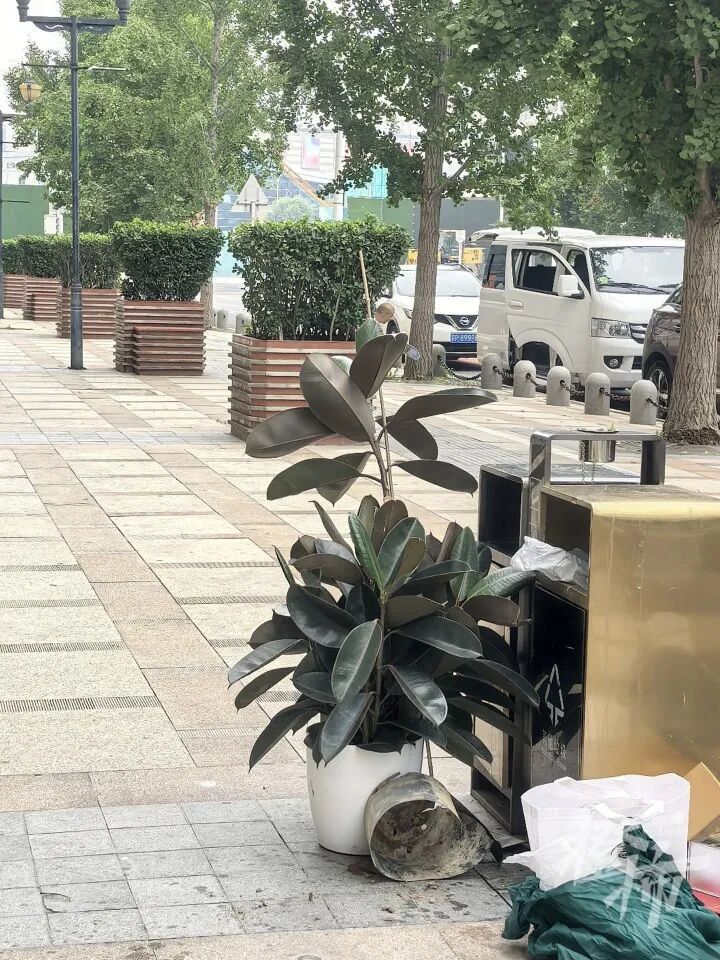
网友“三只喵喵”网购的“黑金刚橡皮树”一转身1条蛇朝她游来吓得踩着椅子跳开逃跑8月22日晚上7点多,橙柿互动记者联系上了发帖网友高女士,40岁。高女士告诉记者,她在北京通州开盲人推拿店。

二 | 7月15日下午,她在一家微店看到“黑金刚橡皮树”,看着挺好,还不贵,可以买来摆在店里,于是下单购买,支付了59.8元,当天下午,绿植从广州发往北京通州,7月19日绿植收货。

三 | “我就把它摆在进门的旁边,吧台的前面。”
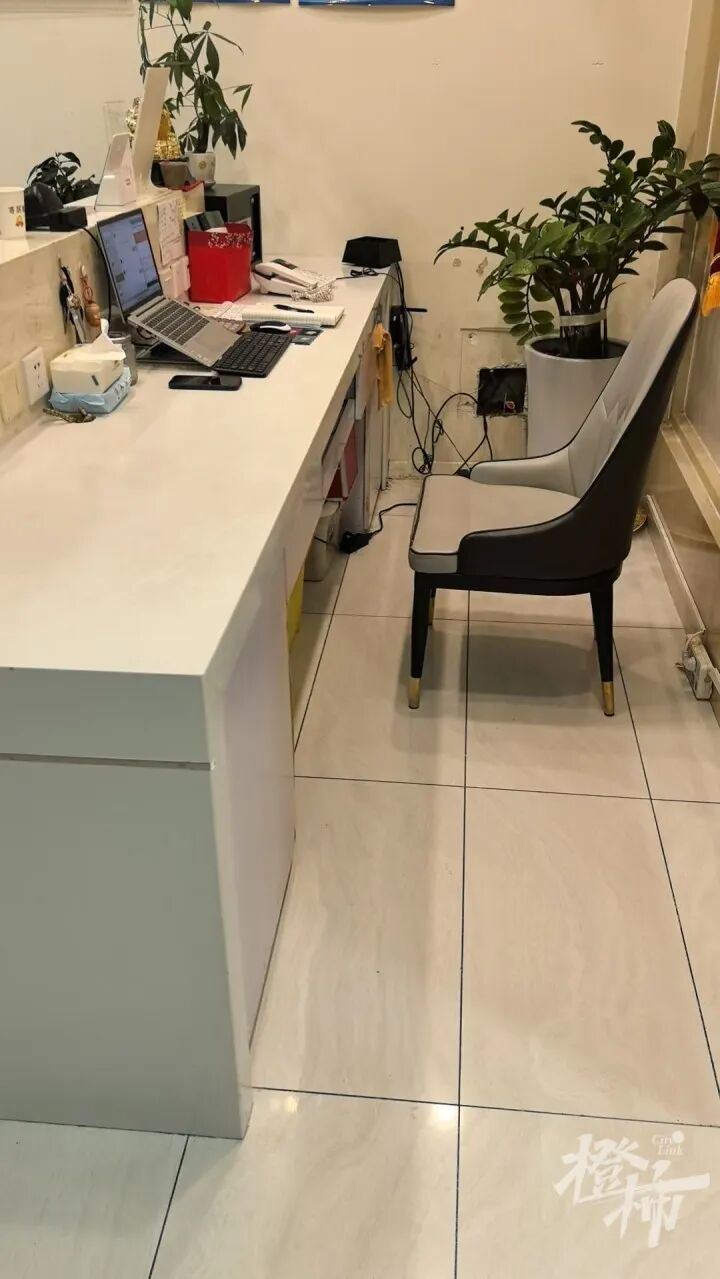
高女士店内的吧台“8月3日晚上9点半,我正打开吧台的柜子翻找东西,一转身发现一条蛇在后面看着我,它正弯弯曲曲蛇形在动,把我吓坏了,我踩着椅子就逃了出去,我怕一切软体动物,特别是蛇。”高女士的合伙人樊先生告诉记者,店里的员工视力都不太好,后来还是顾客帮忙找蛇,箱子都翻了个遍,蛇是趴在吧台下的羽毛球拍上。最后是小区的保安过来帮我们处理的,用扫把蛇扫进簸箕,再倒进玻璃瓶带走放生的。”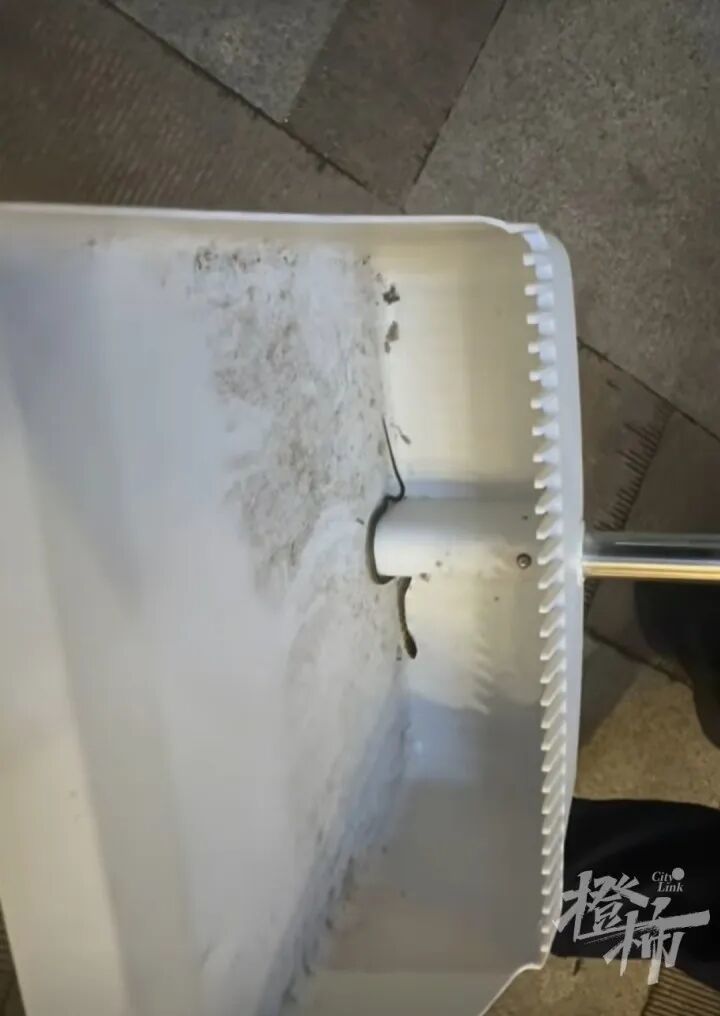 高女士说,“我们的吧台有两米长,下面是封死的,3面都封住的,只有一侧开口可以进出。那条蛇很小,只有筷子粗细,大概20厘米长,当时是蛇形在动。”

四 | 消防说这个蛇无毒,带走要放生的。店铺接连出现蛇,我们怀疑和新购买的绿植有关,消防说不太可能,如发现了再给他们打电话。连着早晚在店里发现蛇,把我吓得是浑身无力,整个人是发蔫的。

五 | ”消停半个月更大的蛇接连出现沟通退款不理,店家让买杀蛇药高女士说,“之后很长一段时间没再闹蛇,人总算恢复了过来。8月20日上午9点45分,又是在店里拖地拖到吧台那,又是一条蛇趴在吧台里面,这次的蛇明显比之前的要大,但我太害怕了,没敢细看拔腿就跑。9点47分我又打了119,消防和物业很快都来了,但找了半天也找不到,最后物业在墙壁踢脚线的缝隙里发现了这条蛇。物业经理还发现‘黑金刚橡皮树’里有褪下来的蛇皮,直接就把绿植抱到室外。消防员扒开根部的泥土发现有不少蛋,消防员说是蛇蛋,现场我看到地上有3枚蛇蛋,泥土里还有,但看着都瘪瘪的。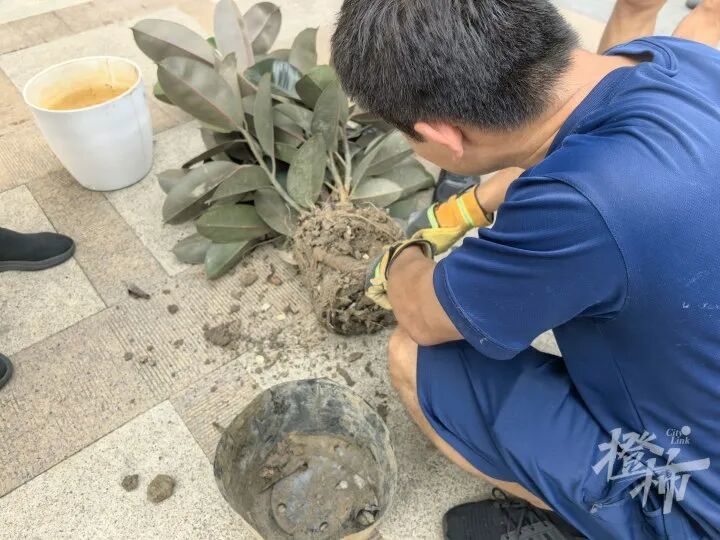
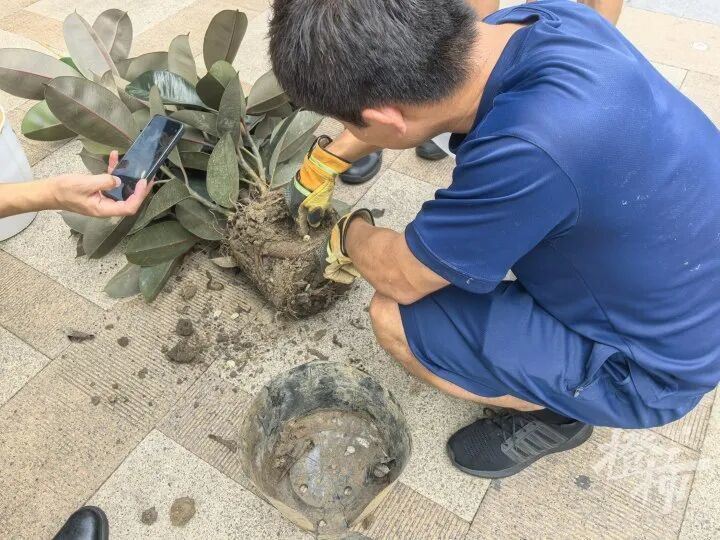 “处理完消防和物业都离开了,我又回到店里搞卫生拖地。上午10点25分,我在吧台墙壁后面又发现了一条蛇,墙后是上下楼的楼梯,这条蛇和前面那条蛇一样大,我赶紧找来物业把蛇抓走放生。

六 |
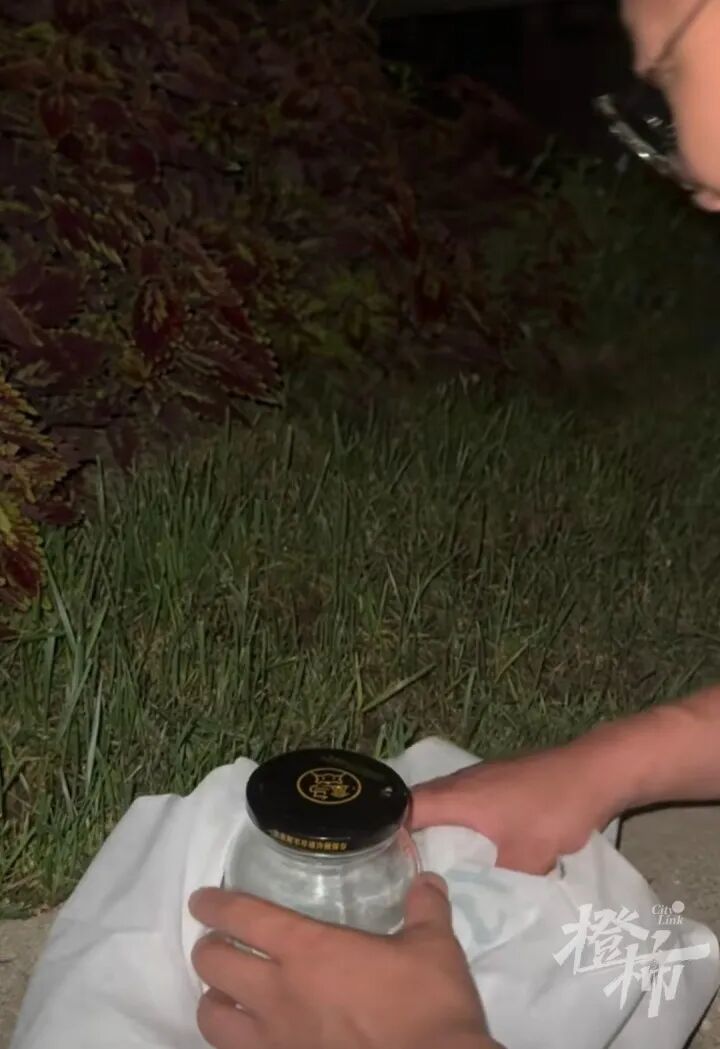
抓到的小蛇被放生“8月20日下午,我开始和微店沟通希望退款,对方至今也没退款,还让我去买杀蛇的药,向微店发起了投诉也没有结果,我查了这家网店的营业执照,发现企业注册在郑州,我打了郑州的12315,他们让我打12345,现在市场监督管理局在调查处理,还在等结果。

高女士网购的绿植(广州运往北京)“我的推拿店是2023年开业的,开业时也买了两三千元绿植,之后陆陆续续又添了一两千元的,前后四五千元的绿植都是在北京线下店买的,从来没出现过这种情况,我感觉网购绿植还是有风险的,并且维权处理也很麻烦,昨天发帖就是想给广大网友提个醒。这几天我根本睡不好,闭眼眼前就全是蛇……”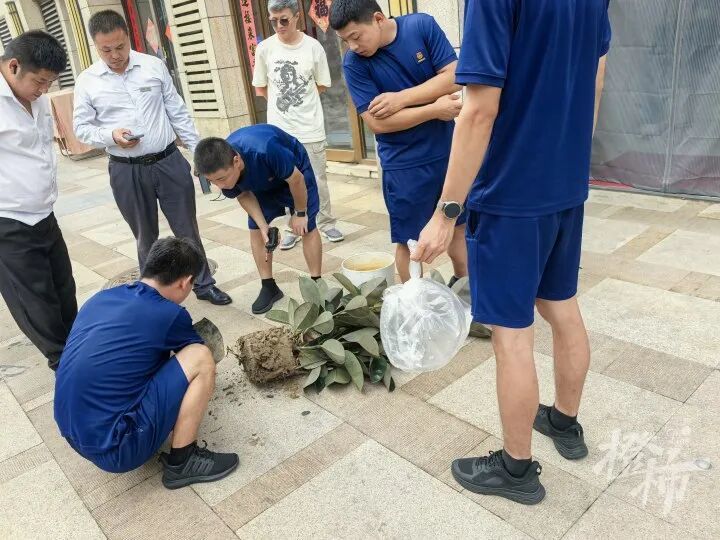 橙柿互动·都市快报 记者 陈卫民
Current article:http://oml8v4.dinggaxilianmaiyuejienianguai.shop/3d6z15/20260826/4215.html
Published on:13:10:05
 即将喝上放心水 心里感觉甜滋滋
 6G迎利好 11只概念股获机构积极关注
 联赛足协杯双线作战 泰山队两战“沪上双雄”考验不小
 襄阳20岁女大学生定蓝选红中奖53万
 小熊猫家族里的“最萌年龄差”!
 【幸福文苑】开学通知 | 巳蛇迎春,福娃启程
- ·Coolie Box Office Day 13: हार नहीं मानेगा कूली! वीक डे में रजनीकांत की फिल्म ने धड़ल्ले से छापे नोट
- ·向太放话若儿子出轨力挺郭碧婷 向佐不满:无聊就去打牌
- ·《长城对话》新闻IP研讨会|吴晨光:一切采访的本质是对人的洞察
- ·用关怀温度提升幸福指数 住房公积金政策优化调整 “新”在何处?
- ·Flood in UP: यूपी के 35 गांवों में घुस गया बाढ़ का पानी, चेतावनी बिंदु के बार पहुंचा गंगा का जलस्तर
- ·政府宣布提高部分用地下来半年的土地增值费
- ·多地国补暂停?国补结束了吗?国补政策2025最新消息公布:国补政策2025全国统一持续到12月31日截止
- ·应对台风“沙德尔” 闽浙均启动防台风四级应急响应
- ·जम्मू में बारिश का प्रकोप थमा, अब बिजली-पानी के लिए मचा हाहाकार, जानें कहां-कहां है समस्या
- ·10 Best Korean Horror Movies: A Tale of Two Sisters and More
- ·埃斯顿增资至9.68亿,增幅约11%
- ·抚顺县开展燃气安全专项整治工作
- ·गाजा सिटी पर कब्जे के लिए इजरायली सेना का अभियान शुरू, हमास से हो रहा सीधा मुकाबला; शहर में घुसे टैंक
- ·हरियाणा में मानसून सत्र का आज अंतिम दिन: CM नायब सैनी पेश करेंगे अपराध पर कड़ा प्रस्ताव; क्या होगा खास?
- ·“金九银十”,寂静的旺季
- ·浙江省博展出《韩熙载夜宴图》,观众将可凌晨逛博物馆,文物部门人员:需提前7天预约,限时逛6分钟
- ·上海德比赛后4名球迷打架被刑拘
- ·湖南发布山洪灾害风险蓝色预警,郴州、株洲、邵阳、永州等地请注意防范
- ·China's domestic flight fuel surcharges fall again
- ·New Release Date for Mammootty's Kalamkaval Revealed
- ·莫扎特发布的迷你S三轴手机平台:结构紧凑,拍摄方式多种多样
- ·Shenzhen's 'one-kilometer' supply chain draws global buyers for AI hardware
- ·Officials say at least 189 bodies found at Colorado funeral home, up from about 115
- ·家电数码换新如何用好国补?2026年8月手机电脑平板电视空调冰箱洗衣机国补申领最新实操指南,京东淘宝全套优惠口令整理,掌握叠加规则实现省钱采购
- ·Chinese conservationist explores community-based wildlife protection in Kenya
- ·售62.80万起/提供纯电和插混供选择 仰望U7正式开启交付
- ·默克尔的退休生活“很忙碌”
- ·双色球2026099期开机号分析(附历史)
- ·莫雷托:尤文过去几天再次询问齐尔克泽情况,球员预计将离开曼联
- ·奇才下赛季首发阵容确定了,这套阵容定有一战之力!
- ·美军在东太平洋发动打击
- ·警察部长透露,近期多起珠宝店抢劫案中,最小的罪犯只有9岁
- ·2026年7月份广东CPI同比上涨0.9%
- ·北京多区发布紧急寻人通知!涉民航总医院,具体时段、楼层
- ·曾创吉尼斯纪录!百斤大西瓜上市 快递小哥直接用上爬楼机送货
- ·“吉林老人救助重庆游客反遭诬陷”反转 吉林文旅最新回应:正在跟进
- ·德天空:马丁内利准备同意加盟利雅得新月,各方几乎已经达成协议
- ·Etawah News : संदिग्ध व्यक्त और ड्रोन की अफवाह से मचा हड़कंप, चौराहों पर लोगों ने दिया पहरा
- ·县公安局开展法治宣讲进校园活动
- ·木下優樹菜さん「さくっと三浦へ」デート2S 近影に「幸せそう」「可愛すぎ」「歳取ってる?」の声